

Q1 retrospective – From momentum to movement in the defence and sustainable aerospace sector
The first quarter of this year makes one thing clear. The defence sector is moving and the relevance and opportunities to contribute for Dutch and European companies are growing rapidly, for established and also cross-sectoral new players the opportunities are there for the long run. Drawing on our work in the field, our CEO Michel van Ierland shares his reflections on the developments in Q1.
What stands out to us is how this movement is translating into concrete engagement with companies. Across our work, we see a clear increase in organisations actively exploring their role within the defence ecosystem, varying from scale-ups to established firms and financial institutions. The latter includes financing of today’s needs into future robust capabilities.
From insight to action
In February, we contributed to masterclasses organised by Rabobank together with Brainport Development and BITS, where we worked directly with companies exploring the defence landscape. In regions such as Brainport, we saw a strong demand for clear guidance. How does Defence operate, tender, and contract as a client, what does that mean for your organisation and its quality system and how do you prepare strategically? Through these sessions, one thing became clear. The willingness to contribute is there. Companies want to engage, but they are looking for direction to take that next step.
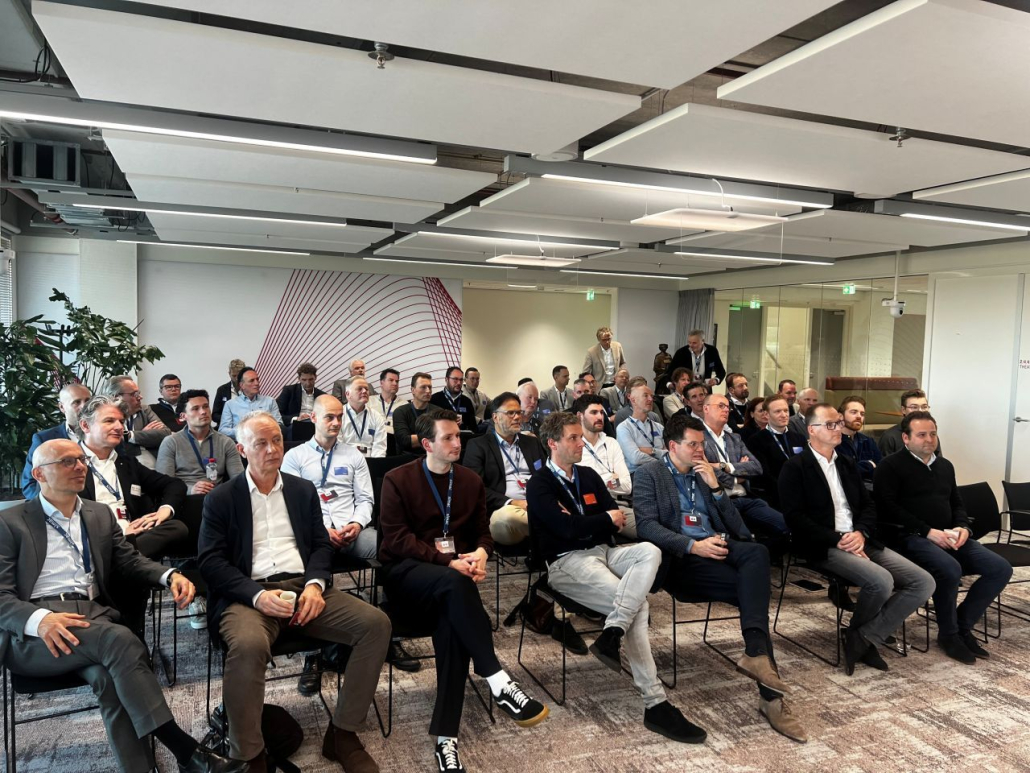
In early March, we continued these conversations in collaboration with partners across the ecosystem, where the same themes kept returning. Collaboration, readiness and positioning are not abstract concepts. They are immediate requirements for companies that want to move forward, being adaptive and scalable for the long-term partnership with MoD.
Collaboration as a foundation
– Bridging ambition and execution while building strong ecosystems
The Axient Systems BV’s new facility opening in Delft marks a significant step forward into building a national satellite capability, while creating export opportunities. What stands out from these interactions is that the conversation is shifting. It is no longer about technology alone, but about capabilities and how organisations work together to deliver them and accelerate by a national-European ecosystem approach.
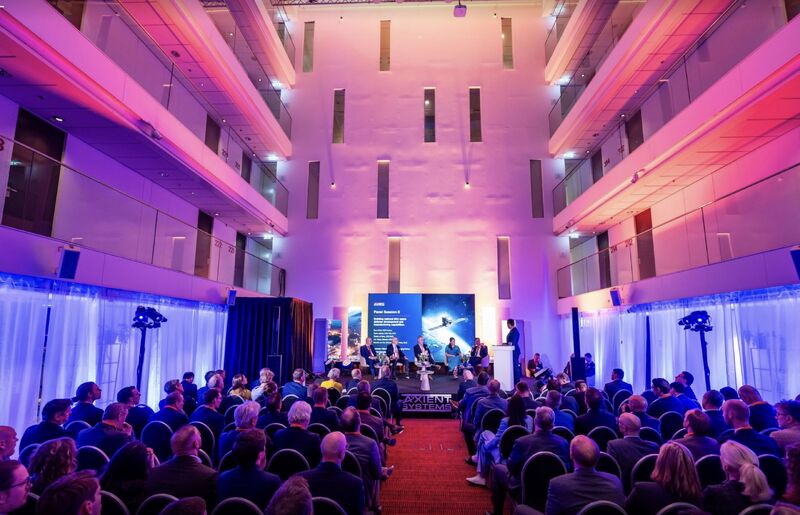
Across all engagements, one message is consistent: progress depends on strong collaboration between industry, government and knowledge institutions. This becomes increasingly tangible in our day-to-day work with companies.
As is also reflected in recent coverage in De Telegraaf, the scale of the opportunity is clear, with significant defence budgets becoming available, while companies still face hurdles to access this market.
As was also highlighted in a recent article in Het Financieele Dagblad, these barriers can seem daunting at first:
“Before a company can even participate in certain tenders, it must meet a range of requirements. These can appear complex and sometimes intimidating for companies new to this market”.
However, what we see in practice is that these barriers are often less prohibitive than they seem, provided companies understand what is required and how to position themselves.
Our role is to translate that complexity into concrete steps, from understanding where a company fits in the value chain to preparing for the required standards and making the right strategic choices.
Success in this market requires:
- insight in your place into the value chain
- preparation for quality requirements (e.g. ABRO and ISO 27001)
- strategic positioning
- defence tender and contracting support
Sustainable business
This also connects to how we look at innovation more broadly. As I shared earlier this quarter in an interview on BNR Nieuwsradio, the real challenge is not only technological advancement, but the ability to move from concept to implementation:
“The biggest innovation is not a new aircraft, but accelerating certification and scalability”.
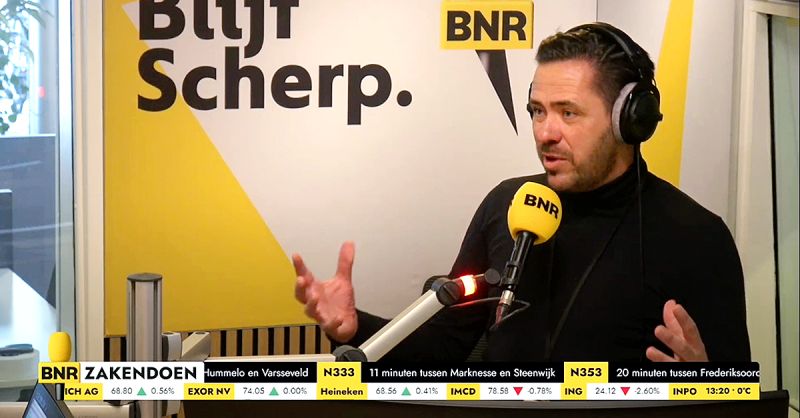
This is where real impact is created, by ensuring innovations can be scaled and implemented in practice, and by building the foundation for the next generation of capabilities.
This underlines the importance of not only developing capabilities, but ensuring they can be deployed, scaled and integrated within the defence ecosystem Take for example the Dash 8 operated by our coastguard, a perfect example of where a missionised platform securing our borders could soon become true sustainable.
From intent to implementation
What stood out most to me in Q1 is the shift from interest to action.
We see more companies taking the first steps. Asking the right questions, engaging with the ecosystem and preparing for long term participation as a partner for our Ministry of Defence.
The next step is to turn that ambition into concrete action. Not tomorrow, but today.
This means investing in readiness, meeting the required standards and actively collaborating within the ecosystem.
Looking ahead
We see momentum, not only in the market but in the companies we work with. Q2 will be about acceleration. Continuing to support organisations in their next steps, strengthening collaborations and turning ambition into long term execution.
“The opportunity is there. Now it is about delivering to sustainable capability to the men and women who need it the most”.

